
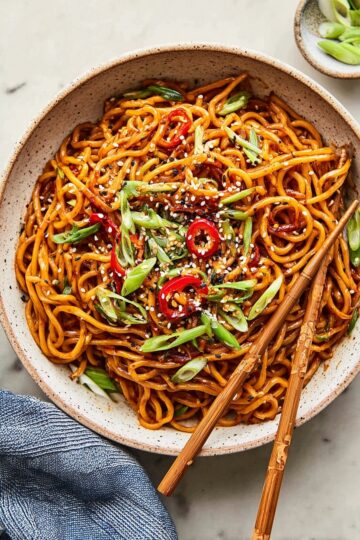
There’s something so comforting about the caramelized, slightly crispy edges and savory glaze of a homemade hibachi noodle dish. This Hibachi Noodles Recipe hits that perfect balance of sweet, salty, and umami that makes it irresistibly crave-worthy every time.

Jump to:
Why You'll Love This Recipe
This hibachi noodles recipe is close to my heart because it brings restaurant-quality flavor right into your own kitchen with minimal fuss. Plus, it’s incredibly flexible and quick — a weeknight hero for sure.
- Simple Ingredients: You only need a handful of pantry staples that come together beautifully.
- Flavor Packed: The combination of garlic, ginger, sesame, and brown sugar creates that signature hibachi taste.
- Quick to Make: From start to finish, you’ll have dinner ready in about 35 minutes.
- Customizable: You can easily add veggies, proteins, or adjust the sauce to make it your own.
Ingredients & Why They Work
Choosing the right ingredients is key here. Each one plays a role in mimicking that authentic hibachi flavor and texture. Here’s why they shine together—and a few tips to make shopping easier.

- Yakisoba, Lo Mein, or Spaghetti: I usually go with yakisoba if I can find it, as it’s traditional, but spaghetti works in a pinch. Just cook until al dente.
- Low-Sodium Soy Sauce: Using low-sodium lets you control the saltiness without overwhelming the dish.
- Sesame Oil: This adds that toasty, nutty flavor essential to hibachi sauces.
- Light Brown Sugar: The molasses in brown sugar gives a subtle sweetness and helps the sauce caramelize nicely.
- Minced Garlic & Ginger: Freshness here is everything—they brighten the dish beautifully.
- Unsalted Butter: Butter helps get those crispy edges on the noodles while adding richness.
- Toasted Sesame Seeds: These are the perfect finishing touch for texture and visual appeal.
Make It Your Way
I love to keep this hibachi noodles recipe classic, but sometimes I throw in sliced mushrooms and snap peas for a fresh crunch. You can easily customize it to suit your tastes or what’s in your fridge.
- Variation: Adding grilled chicken or shrimp turns this into a heartier meal—I did this for a casual dinner party and everyone loved it!
- Vegetarian Option: Skip the meat and toss in tofu or extra veggies like bell peppers and carrots.
- Spicy Twist: A splash of sriracha or chili flakes adds a lovely kick if you want to spice things up.
Step-by-Step: How I Make Hibachi Noodles Recipe

Step 1: Cook the Noodles Just Right
Start by cooking your noodles or spaghetti until they're just shy of fully soft — al dente with a little bite is perfect here because they'll keep cooking later in the skillet. Drain them well to avoid soggy noodles, then set aside to cool slightly.
Step 2: Whisk Together the Sauce
While the noodles are cooking, mix the soy sauce, sesame oil, brown sugar, minced garlic, and fresh ginger in a bowl. This sauce blends salty, sweet, and aromatic flavors, and it’s what gives the noodles that signature hibachi goodness.
Step 3: Sizzle the Noodles with Butter
Heat a large nonstick skillet over medium-high heat and melt the butter. Once it’s hot and bubbling, toss in the noodles. Cook them undisturbed for a couple of minutes to develop a slight golden brown color—this is where that amazing texture comes from.
Step 4: Add the Sauce and Toss Together
Pour your prepared sauce over the noodles, then quickly toss or stir to coat every strand. Let it cook for another 2 to 3 minutes, allowing the sauce to thicken and fully meld with the noodles. You’ll know it’s ready when they look glossy and irresistible.
Step 5: Garnish and Serve
Finish things off by sprinkling toasted sesame seeds over the top for a bit of crunch and nuttiness. Serve immediately and watch everyone enjoy!
Top Tip
Over the years, I’ve learned a few tricks that make this hibachi noodles recipe really shine. These small touches save time and boost that restaurant-quality flavor.
- Don’t Overcook the Noodles: They should be a bit firm before stir-frying; otherwise, they’ll become mushy and lose their texture.
- Use a Hot Skillet: High heat is key for developing those crispy edges and getting the sauce to cling perfectly.
- Fresh Garlic & Ginger: Pre-minced options just don’t deliver the same bright flavor; using fresh really makes the dish pop.
- Butter is Your Friend: It enhances the richness and helps create that golden-brown color we all crave in hibachi noodles.
How to Serve Hibachi Noodles Recipe

Garnishes
Besides toasted sesame seeds, I often add sliced green onions for a fresh bite and a sprinkle of toasted nori flakes when I’m feeling fancy. A wedge of lemon or lime on the side brightens up the rich flavors nicely, too.
Side Dishes
This hibachi noodles recipe pairs beautifully with simple grilled chicken or steak, steamed broccoli, and even a crisp cucumber salad. For a full hibachi-style experience, add fried rice or a miso soup on the side.
Creative Ways to Present
For a dinner party, I like to serve the hibachi noodles in individual cast iron skillets to keep them warm and add a rustic touch. You can also swirl them into small nests on plates and garnish each with a sprig of fresh cilantro or sesame seeds.
Make Ahead and Storage
Storing Leftovers
After making hibachi noodles, I store any leftovers in an airtight container in the fridge. They usually keep well for 3-4 days without losing too much flavor or texture.
Freezing
While you can freeze hibachi noodles, I find the texture changes slightly once thawed, becoming softer. If you plan to freeze, I recommend freezing in single portions for easy defrosting.
Reheating
To reheat, toss the noodles quickly in a hot pan with a little butter or oil to refresh their texture and flavor. Avoid microwaving if you want to keep that slight crispiness and avoid sogginess.
Frequently Asked Questions:
Absolutely! Spaghetti works well as a substitute if yakisoba or lo mein noodles aren’t available. Just cook them al dente and follow the same steps.
Make sure to cook the noodles just until al dente and drain them well. When stir-frying, use high heat and avoid stirring too much so they develop a bit of crispness rather than steaming.
Yes, swap the butter for a plant-based margarine or oil, and use a soy sauce that’s vegan-friendly. Load up on veggies or tofu to keep it satisfying.
Chicken breast, shrimp, steak strips, or tofu are all excellent choices. Cook them separately with simple seasoning before mixing with the noodles or serve on the side.
Final Thoughts
This Hibachi Noodles Recipe has become my go-to for when I want that deep, savory flavor from hibachi without heading to a restaurant. The vibrant garlic-ginger sauce, perfectly cooked noodles, and buttery crisp edges make it feel special every time. Trust me, you’ll want to keep this one in your rotation.
Print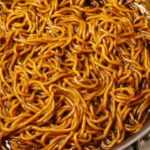
Hibachi Noodles Recipe
- Prep Time: 15 minutes
- Cook Time: 20 minutes
- Total Time: 35 minutes
- Yield: 4 servings
- Category: Main Course
- Method: Stovetop
- Cuisine: Japanese
- Diet: Low Sodium
Description
This Hibachi Noodles recipe delivers flavorful, slightly sweet, and savory noodles with a touch of garlic and ginger. Perfectly cooked yakisoba or lo mein noodles are tossed in a delicious soy sauce and sesame oil mixture, then lightly browned in butter for a subtle crispness. Garnished with toasted sesame seeds, this dish is a quick and satisfying meal that serves four.
Ingredients
Noodles
- 1 lb yakisoba, lo mein, or spaghetti noodles
Sauce and Seasoning
- ½ cup low-sodium soy sauce
- 1 tablespoon sesame oil
- 2 tablespoons packed light brown sugar
- 1 tablespoon minced garlic
- 1 tablespoon minced ginger
Cooking Base and Garnish
- 2 tablespoons unsalted butter
- 1 tablespoon toasted sesame seeds (for garnish)
Instructions
- Cook the Noodles: Boil the yakisoba, lo mein, or spaghetti noodles until just before completely soft or al dente. The noodles should still have a slight bite. Drain them well and set aside.
- Prepare the Sauce: In a bowl, whisk together the low-sodium soy sauce, sesame oil, light brown sugar, minced garlic, and minced ginger until fully combined.
- Heat the Butter: In a large nonstick skillet over medium-high heat, melt the unsalted butter. Once melted and hot, add the cooked noodles to the skillet.
- Brown the Noodles: Cook the noodles in the butter on medium-high heat, stirring occasionally, to develop slight coloring and a subtle crispness, about 3 to 5 minutes.
- Add Sauce and Toss: Pour the prepared sauce over the noodles and toss thoroughly to coat them evenly. Continue to cook for another 2 to 3 minutes to allow the flavors to meld.
- Garnish and Serve: Remove the skillet from heat. Garnish the hibachi noodles with toasted sesame seeds, then serve immediately and enjoy.
Notes
- For best results, cook the noodles just shy of al dente since they will cook more in the skillet.
- Use low-sodium soy sauce to control saltiness, especially if serving to sensitive eaters.
- Add vegetables like sliced bell peppers or scallions for extra flavor and nutrition.
- Substitute olive oil for butter for a dairy-free option, but the flavor profile will slightly differ.
- Leftover hibachi noodles can be refrigerated for up to 2 days and reheated on the stovetop or microwave.
Nutrition
- Serving Size: 1 serving
- Calories: 350 kcal
- Sugar: 8 g
- Sodium: 700 mg
- Fat: 12 g
- Saturated Fat: 5 g
- Unsaturated Fat: 6 g
- Trans Fat: 0 g
- Carbohydrates: 50 g
- Fiber: 3 g
- Protein: 9 g
- Cholesterol: 15 mg


Leave a Reply