
There’s something irresistibly comforting about a bowl of fragrant curry, and this Easy Thai Curry with Chicken and Vegetables Recipe delivers just that—bright, creamy, and packed with fresh veggies and tender chicken. It’s a quick, flavorful way to bring a little Thai magic to your dinner table without fuss.

Jump to:
- Why You'll Love This Recipe
- Ingredients & Why They Work
- Make It Your Way
- Step-by-Step: How I Make Easy Thai Curry with Chicken and Vegetables Recipe
- Top Tip
- How to Serve Easy Thai Curry with Chicken and Vegetables Recipe
- Make Ahead and Storage
- Frequently Asked Questions:
- Final Thoughts
- Easy Thai Curry with Chicken and Vegetables Recipe
Why You'll Love This Recipe
I love how this Easy Thai Curry with Chicken and Vegetables Recipe hits all the right notes—creamy, spicy, tangy, and hearty—without demanding hours in the kitchen. It’s one of those dishes that feels impressive but stays incredibly simple, perfect for weeknights or casual dinner parties.
- Bright, balanced flavors: The combination of coconut milk, lime juice, and red curry paste creates a curry that’s rich, zesty, and perfectly spiced.
- Quick and straightforward: Ready in about 30 minutes with minimal prep, it’s a great go-to when you want flavor fast.
- Versatile vegetable mix: Broccoli, bell peppers, and carrots add vibrant color and crunch, but you can easily swap or add what you like.
- Juicy chicken thighs: Using thighs keeps the meat tender and flavorful, elevating the whole dish.

Ingredients & Why They Work
Every ingredient in this curry plays a crucial role—whether it’s delivering creamy texture, vibrant flavor, or just the right amount of heat. When shopping, look for quality coconut milk and fresh veggies to really make a difference.

- Light olive oil or coconut oil: Provides a mild base to sauté chicken and veggies without overpowering the flavors.
- Chicken thighs: Juicier and more forgiving than breasts, thighs stay tender and moist during cooking.
- Yellow onion: Adds natural sweetness and depth to the curry sauce.
- Red curry paste: The spicy heart of the dish, adjust type and amount according to your heat preference.
- Red bell pepper: Adds sweetness and crunch for a nice texture contrast.
- Carrot: Offers subtle earthiness and a colorful pop in every bite.
- Broccoli florets: Lends a fresh, green crunch and boosts the veggie quotient.
- Fresh ginger: Adds warmth and a bit of zing that brightens the curry.
- Garlic: Rounds out the flavor with familiar savory depth.
- Coconut milk: The creamy base that cools and balances the spice, essential for authentic texture.
- Cornstarch: Thickens the sauce gently without heaviness.
- Thai sweet chili sauce: Sweetness with a slight kick boosts complexity in the sauce.
- Soy sauce: Adds umami saltiness and depth.
- Fish sauce: A classic Thai ingredient for soulful, savory notes that elevate the curry.
- Lime juice: Brightens the entire dish with fresh acidity.
- Brown sugar: Balances spice and sour elements for harmony.
- Bay leaf and dried basil: Subtle herbs that round the flavor profile.
- Salt and pepper: Essential seasonings to taste.
- Sriracha or Asian chili sauce (optional): For extra heat if you like to dial up the spice.
Make It Your Way
I love switching up the vegetables depending on what’s fresh or what leftovers I have on hand, and you should too! This recipe is a great canvas to play with flavors and heat – don’t hesitate to make it your own.
- Vegetable swaps: I’ve swapped bell peppers for green beans or zucchini and loved the different textures it brought. Feel free to add seasonal veggies like snap peas or baby corn.
- Protein variations: I sometimes try this with tofu or shrimp for a fun twist—and it works beautifully.
- Heat level: The curry paste brands vary in spiciness, so start with less and add more to suit your taste. I keep Sriracha on the table for extra kick.
- Dairy-free and gluten-free: This recipe is naturally dairy-free and gluten-free if you use tamari instead of soy sauce, making it accessible to many diets.
Step-by-Step: How I Make Easy Thai Curry with Chicken and Vegetables Recipe
Step 1: Sauté the Chicken and Build Flavor
First, heat your oil in a large skillet over medium-high heat until shimmering—it should sizzle when you add the chicken. Toss in the thinly sliced chicken thighs, chopped onion, and red curry paste. Stir everything together, cooking just until the chicken turns mostly opaque. This step wakes up the curry paste and infuses the chicken with flavor early on.
Step 2: Stir-Fry Your Vegetables
Next, add the broccoli florets and give them a quick toss for about a minute—they need to stay crisp but start to soften a bit. Then add the red bell pepper, thin carrot slices, minced garlic, and freshly grated ginger. Stir-fry everything together for another minute to marry the fresh vegetable flavors with the curry base.
Step 3: Add Coconut Milk and Other Flavors
Pour in half the can of coconut milk and stir. For the other half, mix it with cornstarch to avoid lumps before adding it to the pan. Then stir in the Thai sweet chili sauce, soy sauce, fish sauce, lime juice, brown sugar, bay leaf, and dried basil. Bring this to a boil—it’s tempting to rush here, but letting the curry gently bubble is key to unlocking all those layered flavors.
Step 4: Simmer Until Perfect
Lower the heat and simmer for about 5 minutes until the sauce thickens slightly and the vegetables get tender but still have a bite. You want a sauce that coats the chicken and veggies beautifully—if it’s too thick, just splash in a bit of water. Don’t forget to fish out the bay leaf before serving!
Top Tip
From my experience making this curry many times, little adjustments go a long way in perfecting it. Here are a few tips I've picked up along the way:
- Prep chicken while cold: Partially freezing the chicken breasts makes thin slicing much easier and safer.
- Adjust curry paste carefully: Brands and batches differ; start small and taste as you cook to control heat levels.
- Don’t rush simmering: A gentle simmer lets the flavors meld and sauce thicken perfectly without curdling the coconut milk.
- Use fresh herbs at the end: Basil and cilantro lose their charm if cooked too long—add right before serving for a fresh pop.
How to Serve Easy Thai Curry with Chicken and Vegetables Recipe

Garnishes
When I serve this curry, fresh lime zest and juice are non-negotiable—they add a bright zing that lifts the whole dish. I love adding a sprinkle of fresh basil and cilantro for their herbal fragrance, and a drizzle of Sriracha on the side for anyone wanting extra heat. These simple garnishes make dining feel like a special occasion.
Side Dishes
I usually pair this curry with steamed jasmine or sticky rice to catch every bit of sauce. Sometimes I add a side of fresh cucumber salad or pickled veggies to introduce crunch and acidity, which balances the richness of the curry beautifully.
Creative Ways to Present
For a dinner party, I sometimes serve this curry in individual coconut shells or shallow bowls garnished with edible flowers and fresh herbs for a festive touch. You can also line the serving dish with banana leaves or decorate with sliced red chilies for an eye-catching presentation that’s authentic and fun.
Make Ahead and Storage
Storing Leftovers
Leftover curry keeps beautifully in an airtight container in the fridge for up to 3 days. I find the flavors even deepen after resting overnight, making for a delicious next-day meal.
Freezing
This curry freezes well—just cool it completely before transferring to freezer-safe containers. I usually freeze in single or double portions for easy thawing. When ready, defrost in the fridge overnight and reheat gently on the stove, adding a splash of water or coconut milk to restore creaminess.
Reheating
To reheat, I warm the curry slowly over medium-low heat, stirring often to prevent sticking. Adding a little extra lime juice right before serving freshens things back up. Microwaving works too, but stirring halfway through is key for even heating.
Frequently Asked Questions:
Absolutely! You can use chicken breasts if you prefer. I recommend slicing them thinner (about ¼-inch) since breasts are less forgiving and can dry out. Partially freezing before slicing helps a lot. Just watch the cooking time to avoid overcooking.
Different brands vary in spice level and flavor. Thai Kitchen is milder and great for beginners, while Mae Ploy tends to be spicier. Start with less paste and add more to taste. You can always adjust heat after cooking with additional chili sauces or Sriracha.
Yes! Simply swap the chicken for firm tofu or a medley of mushrooms, and replace fish sauce with soy sauce or tamari. The rest of the ingredients remain the same. The coconut milk keeps it creamy and satisfying without any animal products.
You want the vegetables to be crisp-tender—that means they’ve softened slightly but still hold a little bite and vibrant color. Since cooking times vary, check veggies by tasting after simmering for 5 minutes. If you prefer softer veggies, simmer a few minutes longer, but avoid overcooking to keep texture fresh.
Final Thoughts
This Easy Thai Curry with Chicken and Vegetables Recipe is one of those dishes that truly feels like a hug in a bowl—it’s comfort food with a vibrant twist. I hope you’ll give it a try and discover how easy it is to impress yourself and anyone lucky enough to share the meal with you. Once you taste it, I’m sure you’ll be adding this to your weeknight rotation, just like I have!
Print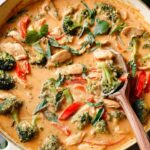
Easy Thai Curry with Chicken and Vegetables Recipe
- Prep Time: 18 minutes
- Cook Time: 12 minutes
- Total Time: 30 minutes
- Yield: 6 servings
- Category: Main Course
- Method: Stovetop
- Cuisine: Thai
Description
This Thai Curry recipe features tender chicken thighs cooked in a rich and flavorful red curry sauce with fresh vegetables and aromatic herbs. It's a vibrant, satisfying dish that's perfect for a quick and delicious dinner, served best with steamed rice.
Ingredients
Protein and Aromatics
- 1 ½ tablespoons light olive oil or coconut oil
- 1 pound chicken thighs, thinly sliced (recommended) or breasts
- ½ large yellow onion, chopped
- 4 garlic cloves, minced
- 2 teaspoons freshly grated ginger
Vegetables
- 1 red bell pepper, 1-inch chop
- 1 carrot, thinly sliced
- 1 ½ cups broccoli florets
Sauce and Seasonings
- 2 tablespoons red curry paste
- 1 13.5 oz. can quality coconut milk
- 1 tablespoon cornstarch
- 1 tablespoon Asian/Thai Sweet Chili Sauce
- 2 tablespoons less sodium soy sauce
- 2 tablespoons fish sauce
- 2 tablespoons lime juice
- 1 tablespoon brown sugar
- 1 bay leaf
- 1 teaspoon dried basil
- ¼ teaspoon salt
- ¼ teaspoon pepper
Optional Garnishes
- Sriracha or Asian chili sauce to taste
- Lime juice and zest to taste
- Fresh basil
- Fresh cilantro
Instructions
- Sauté Chicken: Heat the oil over medium-high heat in a large nonstick skillet or enameled pan. Once hot and sizzling, add the thinly sliced chicken thighs or breasts, chopped onion, and red curry paste. Cook, stirring occasionally, until the chicken is mostly opaque and the onion is soft.
- Stir Fry Veggies: Add the broccoli florets to the skillet and stir fry for one minute. Then add the chopped red bell pepper, sliced carrot, freshly grated ginger, and minced garlic. Sauté everything together for an additional minute to release flavors and slightly soften the vegetables.
- Add Ingredients: Pour in half of the coconut milk and stir to combine. In a separate bowl, mix the remaining half of the coconut milk with one tablespoon of cornstarch until smooth, then add this mixture to the skillet along with the Asian/Thai sweet chili sauce, soy sauce, fish sauce, lime juice, brown sugar, bay leaf, dried basil, salt, and pepper. Stir everything well to integrate the sauce and seasonings.
- Simmer: Bring the curry mixture to a boil, then reduce heat to a simmer. Allow it to cook uncovered for 5 minutes or until the sauce thickens and the vegetables are crisp-tender. If the sauce appears too thick, thin it slightly by adding water to reach your desired consistency. Remove and discard the bay leaf before serving.
- Adjust to Taste: Taste the curry and adjust seasoning if necessary. Garnish with fresh basil, cilantro, lime juice, lime zest, and a drizzle of Sriracha or Asian chili sauce according to your preference. Serve hot with steamed rice for a complete meal.
Notes
- For a juicier and more flavorful result, use chicken thighs instead of breasts.
- Slicing chicken breasts while partially frozen makes slicing easier and results in more uniform pieces.
- The original recipe includes an additional bell pepper and zucchini, which you can add for extra vegetables.
- Thai Kitchen red curry paste is mild, and Mae Ploy is spicier—adjust the amount to your heat preference.
- This recipe serves 4 to 6 people comfortably.
Nutrition
- Serving Size: 1 serving
- Calories: 400 kcal
- Sugar: 7 g
- Sodium: 700 mg
- Fat: 28 g
- Saturated Fat: 20 g
- Unsaturated Fat: 8 g
- Trans Fat: 0 g
- Carbohydrates: 15 g
- Fiber: 3 g
- Protein: 30 g
- Cholesterol: 90 mg


Leave a Reply