
There’s something so satisfying about the vibrant colors and fresh flavors in this Easy Pasta Primavera with Fresh Veggies Recipe. It’s one of those dishes that feels light yet filling, perfect for spring or any time you want to brighten up your dinner plate with wholesome, fresh ingredients.

Jump to:
- Why You'll Love This Recipe
- Ingredients & Why They Work
- Make It Your Way
- Step-by-Step: How I Make Easy Pasta Primavera with Fresh Veggies Recipe
- Top Tip
- How to Serve Easy Pasta Primavera with Fresh Veggies Recipe
- Make Ahead and Storage
- Frequently Asked Questions:
- Final Thoughts
- Easy Pasta Primavera with Fresh Veggies Recipe
Why You'll Love This Recipe
This Easy Pasta Primavera with Fresh Veggies Recipe holds a special place in my heart because it’s approachable, packed with nutritious veggies, and comes together quickly—ideal for weeknights when you want a wholesome meal without the fuss. Plus, it’s endlessly adaptable!
- Fresh and vibrant: The mix of broccoli, zucchini, squash, and cherry tomatoes keeps the dish colorful, crisp, and full of natural flavors.
- Simple steps: You don’t need to be a pro cook to nail this; it’s straightforward with clear layers of cooking veggies and creating a creamy, comforting sauce.
- Customizable: I love how you can swap veggies based on what’s in season or what’s lurking in your fridge, making it your own effortlessly.
- All-in-one skillet convenience: Less cleanup means less stress, and more time to enjoy your meal with friends or family.

Ingredients & Why They Work
The secret to this Easy Pasta Primavera with Fresh Veggies Recipe is balancing textures and flavors. Every ingredient plays its part—from pasta that holds sauce well to veggies that offer crunch and color. When shopping, grab the freshest produce you can find; it’ll make all the difference.

- Cavatappi (or other short pasta): Its twists hold onto that creamy sauce perfectly, but penne or fusilli work beautifully too.
- Extra virgin olive oil: Adds richness and brings out the natural flavors during sautéing.
- Red onion: Adds mild sweetness and depth when softened just right.
- Broccoli florets: Provide a lovely crunch and earthy contrast.
- Yellow squash and zucchini: Mild, tender veggies that soak up flavors and add color.
- Asparagus: Brings a subtle fresh bite that’s key to primavera.
- Red bell pepper: Sweet and vibrant, it brightens the dish.
- Cherry tomatoes: When halved, they burst with juicy sweetness.
- Garlic and red pepper flakes: Give warmth and a gentle spicy kick without overpowering.
- Heavy cream (or evaporated milk): Creates a luscious, silky sauce.
- Chicken broth: Balances richness with savory depth.
- Cornstarch: Thickens sauce just right without clumps.
- Dried oregano, parsley, thyme: Classic herbs add fragrant earthiness.
- Lemon juice: A splash of brightness that lifts the whole dish.
- Parmesan cheese: Freshly grated, it melts to a creamy, tangy finish.
- Frozen petite peas: Add subtle sweetness and pop of color.
- Fresh basil: The finishing touch for aroma and richness.
Make It Your Way
One of my favorite things about this Easy Pasta Primavera with Fresh Veggies Recipe is how easy it is to tweak it. Whether you want to add more heat, toss in your favorite protein, or swap veggies based on what’s fresh, there’s room to play and still get fantastic results.
- Variation: I often add cooked grilled chicken or shrimp when I want a boost of protein—just scale back on veggies or add a little more sauce to keep everything balanced.
- Vegetarian/Vegan swap: Replace heavy cream with coconut milk and use nutritional yeast instead of Parmesan for a creamy vegan version.
- Seasonal veggie swap: In fall, I swap in roasted butternut squash and kale for a comforting twist that feels just right for the cooler months.
Step-by-Step: How I Make Easy Pasta Primavera with Fresh Veggies Recipe
Step 1: Cook the Pasta to Al Dente Perfection
Bring a large pot of salted water to a boil and cook your pasta according to package instructions. But here’s my trick: set a timer to check 2-3 minutes before the suggested cook time. You want the pasta al dente, meaning it should still have a bit of a bite—not mushy! Reserve half a cup of the pasta water before draining; it’s magic for adjusting your sauce consistency later.
Step 2: Sauté Your Veggies Just Right
Heat 3 tablespoons of olive oil in a large, deep skillet or saucepan over medium-high heat. Toss in the red onions and broccoli first—they take a little longer to soften. Give them about 3 minutes while stirring occasionally. Then add the squash, zucchini, asparagus, red bell pepper, and cherry tomatoes. Season lightly with salt and pepper. Cook for just 2 more minutes—it’s crucial to keep everything tender-crisp. Overcooked veggies here mean a mushy mess later, which nobody wants!
Step 3: Prepare the Creamy Herb Sauce
Transfer the veggies to a bowl and set aside. In the same skillet, add the last tablespoon of olive oil over medium heat. Toss in minced garlic and red pepper flakes, stirring quickly for 30 seconds to release those wonderful aromas. Lower the heat, then pour in the heavy cream. Whisk together the chicken broth and cornstarch until smooth, then add that to the skillet along with oregano, parsley, thyme, and a pinch of salt. Let it simmer gently until thickened, about 3-5 minutes. Stir in half a cup of freshly grated Parmesan cheese until silky, then add lemon juice for that fresh zing. Toss in the thawed peas and fresh basil and warm everything through.
Step 4: Bring It All Together
Stir the sautéed vegetables back into the sauce, then fold in your cooked pasta. If the sauce seems too thick, add reserved pasta water a tablespoon at a time to get the perfect creamy consistency. Taste and adjust the salt and freshly cracked pepper. Before serving, sprinkle generously with the remaining Parmesan for that irresistible finishing touch.
Top Tip
After cooking this recipe many times, I’ve found a few small tweaks really elevate the dish and make your pasta primavera standout. These tips save you from common pitfalls and are easy to keep in mind every time you cook.
- Don’t overcook your veggies: Keep them tender-crisp for texture contrast—use a timer or watch closely; over-soft veggies will upset the balance.
- Use fresh Parmesan: It melts beautifully and adds complex flavor—avoid pre-shredded or powdered cheese for best results.
- Reserve pasta water: That starchy water helps smooth out the sauce without watering it down—add a little at a time.
- Pick a large enough pan: A deep skillet or braiser gives you room to cook veggies and sauce together without overcrowding, which steams instead of sautés.
How to Serve Easy Pasta Primavera with Fresh Veggies Recipe

Garnishes
I’m honestly obsessed with a few extra scoops of grated Parmesan on top, plus torn fresh basil leaves for fragrance. Some lemon zest sprinkled at the end totally brightens the dish further. Occasionally, I’ll add a drizzle of high-quality extra virgin olive oil right before serving—it feels so indulgent and fresh.
Side Dishes
This pasta primavera serves well with a simple green salad dressed in lemon vinaigrette or some warm, crusty bread to scoop up any leftover sauce. Garlic bread or a light cucumber salad are also winners in my book.
Creative Ways to Present
For special occasions, I like to arrange the pasta in pretty nests on each plate and garnish with edible flowers or microgreens for that elegant touch. Using colored pasta shells or mixing in some roasted cherry tomatoes adds a festive flair that guests always notice.
Make Ahead and Storage
Storing Leftovers
Leftover Easy Pasta Primavera with Fresh Veggies Recipe keeps really well in an airtight container in the fridge for up to five days. To keep it from drying out, I usually drizzle a tiny bit of olive oil over the top before sealing.
Freezing
While you can freeze this dish, I recommend freezing just the base sauce and cooked veggies separately from the pasta if possible. Pasta can get a bit mushy after freezing. When reheating, thaw overnight and add fresh pasta for best texture.
Reheating
When warming leftovers, I prefer reheating on the stovetop over medium-low heat to keep sauce creamy—adding a splash of milk or reserved pasta water as needed prevents the sauce from drying out or clumping. For a quick fix, the microwave works too if you cover the dish and stir halfway through.
Frequently Asked Questions:
Absolutely! While cavatappi is great because its twists hold onto the sauce beautifully, penne, fusilli, or orecchiette work just as well. Just adjust cooking times accordingly to keep pasta al dente.
Timing is key. I recommend sautéing veggies over medium-high heat and watching closely—broccoli and onions get a head start, then add the softer vegetables a bit later. Use a kitchen timer and aim for tender-crisp rather than soft.
Evaporated milk is a great lower-fat substitute, or you can use full-fat coconut milk for a vegan twist. Just remember, the sauce may be a bit thinner, so adjust with cornstarch or simmer a bit longer to thicken.
Definitely! Cook the pasta al dente and toss with a bit of oil to prevent sticking. Store the cooked veggies and pasta separately in airtight containers. When ready to eat, gently reheat the veggies sauce mixture and combine with pasta for fresh results.
Final Thoughts
This Easy Pasta Primavera with Fresh Veggies Recipe is my go-to for a reliable, colorful, and healthy meal that never feels boring. It’s the kind of dish you can make your own and come back to again and again—whether you’re cooking just for yourself or feeding a crowd. Give it a try; I’m confident you’ll love how fresh, flavorful, and satisfying it is!
Print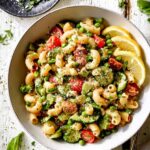
Easy Pasta Primavera with Fresh Veggies Recipe
- Prep Time: 15 minutes
- Cook Time: 15 minutes
- Total Time: 30 minutes
- Yield: 6 servings
- Category: Main Course
- Method: Stovetop
- Cuisine: Italian
- Diet: Vegetarian
Description
This Pasta Primavera recipe is a vibrant and delicious dish featuring a variety of fresh vegetables sautéed to tender-crisp perfection and tossed with short pasta in a creamy Parmesan sauce with a touch of lemon. It's a colorful, satisfying, and easy-to-make vegetarian meal perfect for dinner or lunch.
Ingredients
Pasta
- 12 oz. cavatappi or other short pasta such as penne, fusilli, or orecchiette
Vegetables
- ½ medium red onion chopped
- 2 cups broccoli florets cut into 1-inch pieces
- 1 medium yellow squash sliced and quartered
- 1 medium zucchini sliced and quartered
- 8 oz asparagus trimmed, cut into 1 ½-inch pieces
- 1 medium red bell pepper chopped
- 1 ½ cup cherry tomatoes halved
- 1 ½ cups frozen petite peas thawed
Sauce & Seasoning
- 4 tablespoons extra virgin olive oil divided
- Salt and pepper to taste
- 4 cloves garlic minced
- ¼ teaspoon red pepper flakes
- 1 cup heavy cream (may substitute evaporated milk)
- 1 ½ cups chicken broth
- 1 tablespoon cornstarch
- 1 ½ teaspoons dried oregano
- 1 ½ teaspoons dried parsley
- ½ teaspoon dried thyme
- 2 tablespoons lemon juice
- ¾ cup freshly grated Parmesan cheese divided
- ¼ cup fresh basil chopped
Instructions
- Cook pasta: Cook pasta in salted water according to package directions until al dente. Reserve ½ cup pasta water before draining the pasta.
- Sauté vegetables: Heat 3 tablespoons olive oil in a large, deep saucepan or skillet over medium-high heat. Add chopped red onions and broccoli florets and sauté for 3 minutes.
- Add more vegetables: Add yellow squash, zucchini, asparagus, red bell pepper, and cherry tomatoes to the pan. Season with ¼ teaspoon salt and ¼ teaspoon pepper. Sauté for 2 minutes or until the vegetables are tender-crisp. Transfer the vegetables to a large bowl and set aside.
- Prepare sauce base: In the now-empty skillet, heat 1 tablespoon olive oil over medium heat. Add minced garlic and red pepper flakes and sauté for 30 seconds until fragrant.
- Make the cream sauce: Lower heat to low and add heavy cream. Whisk together chicken broth and cornstarch until smooth, then add to the skillet along with dried oregano, dried parsley, dried thyme, and ¼ teaspoon salt. Bring the sauce to a simmer and cook for 3-5 minutes until thickened.
- Finish sauce: Reduce heat to low and stir in ½ cup Parmesan cheese until melted. Then stir in lemon juice, thawed peas, and fresh basil. Warm through gently.
- Combine pasta and vegetables: Stir the sautéed vegetables into the sauce, followed by the cooked pasta. Add reserved pasta water a little at a time if you need to thin the sauce to desired consistency. Taste and adjust seasoning with freshly cracked salt and pepper.
- Serve: Garnish with additional ¼ cup Parmesan cheese or more if desired. Serve immediately.
Notes
- Don't overcook the vegetables; they should remain tender-crisp to keep texture and flavor.
- Cook pasta al dente by testing it 2-3 minutes before the package time for the best bite.
- Use a large enough pot or skillet for combining pasta, vegetables, and sauce comfortably.
- Feel free to substitute or add your favorite vegetables for variety, focusing on texture and color balance.
- For convenience, consider using a frozen stir-fry vegetable mix, chopping down any larger pieces to cook evenly.
- If adding protein to the dish, scale down the vegetables or increase the sauce quantity accordingly.
- Use freshly grated Parmesan cheese for better melting and richer flavor.
- Add lemon juice according to your taste preference for added brightness.
- To store leftovers, refrigerate in an airtight container up to five days.
- Reheat gently in microwave or on stovetop with a splash of milk or water to loosen sauce if needed.
- For make-ahead, cook pasta al dente and toss with oil before refrigerating; chop and store vegetables separately.
Nutrition
- Serving Size: 1 serving
- Calories: 420 kcal
- Sugar: 5 g
- Sodium: 600 mg
- Fat: 18 g
- Saturated Fat: 8 g
- Unsaturated Fat: 9 g
- Trans Fat: 0 g
- Carbohydrates: 48 g
- Fiber: 6 g
- Protein: 15 g
- Cholesterol: 55 mg


Leave a Reply